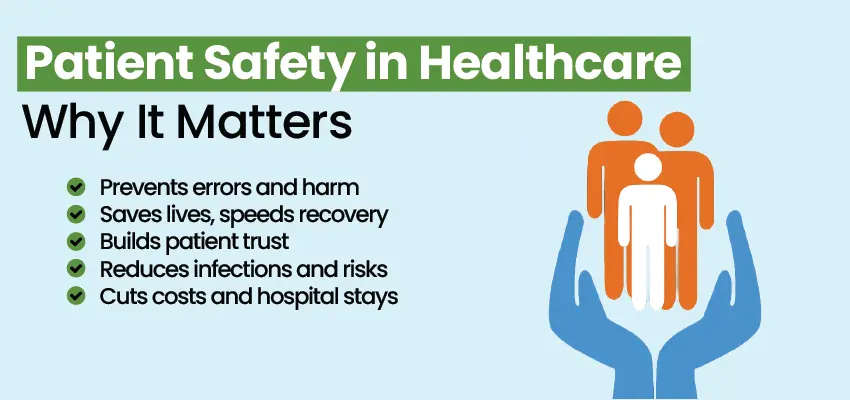

Patient safety is an underlying concept that encompasses systematic approaches to prevent harm to patients during the delivery of healthcare services. It is a fundamental part of the quality of clinic services and aims to minimise errors and unwanted events that may risk affecting patient care processes in advance. Everyone should be responsible, including healthcare providers and well-mannered staff, for patient safety. Improved clinic hygiene and facilities meet the needs of patients.
The Culture of Safety in Healthcare?
Patient safety is defined as the absence of avoidable harm to the patient. It can reduce the risk of unwanted harm related to healthcare. Patient safety includes procedures and policies to identify, assess the problem, and take preventive measures against risks that may occur during health care.
It is a framework of organised activities that create culture, process, and behaviour. The concept of safety culture originated outside the healthcare sector.
Orginzation keep the dedication to safety at all times, from frontline employees to superiors and the management controller.
This affirmation begins a civilisation of safety that encompasses these key features
- A criticism-free environment where personnel can report mistakes without any fear of criticism.
- Organisation’s dedication of resources to address safety reviews and analysis.
- Acceptance of the high-risk nature of an organisation’s occupation and a commitment to achieve consistently safe operation.
Why is Patient Safety Important?
Healthcare has become much more complicated nowadays due to modern machines and advanced techniques. Advanced treatments and digital healthcare applications play an important role in healthcare. According to reports, 500,00 deaths annually occur due to medical errors, including medication mistakes and a lack of professional pharmacists in hospitals.
According to the World Health Organisation, millions of people die due to unsafe healthcare services every year. Only Healthcare is not responsible for patient health. This also requires the responsive participant and their relatives.
Dot clinics carry out practices in accordance with national and international standards to ensure our patient safety at the highest level. Our clinic provides men’s health, skin care and aesthetic services with a patient-oriented care approach.
Major Factors that affect Patient Safety?
Numerous factors impact a patient’s health. Here are some common sources given below:
- Medication Mistakes: Every 1 in 30 patients in healthcare is affected by medical harm. More than a quarter of this harm is considered serious.
- Surgical Error: Almost 300 million surgical treatments are performed each year all over the world. Despite awareness of the bad effects, surgical errors continue to occur at a high level.
- Health Care-Associated Infections: Health care-associated infections result in extended duration of hospital stays. It causes long-standing disability and increases antimicrobial resistance. In addition, it increases the financial burden on the patient and their family. It also causes an impact on the health system.
- Diagnostic Error: Most people suffer a diagnostic error in their whole life. These occur in 15-20% of doctors and physicians. According to doctors’ review, harmful diagnostic errors were found in a minimum of 0.7 % of adult admissions.
- Unsafe Injection Practices: Almost 16 billion injection operations are reported all over the world. The unsafe injection practices, like P-shot and whitening injections, make patients unwell. If an injection is administered by an unskilled person, it may cause several health issues.
- Unsafe Transfusion Practices: Unsafe and unnecessary transfusion practices expose patients to the risk of serious reactions and transmissible infection.
What are patients’ rights?
Patients have the right to receive the appropriate healthcare services to protect and promote their health. They do not have the right to be violated based on gender, age, religion, or their status. Healthcare professionals can not refuse medical treatment without a valid reason.
Patients have the right to inquire about their disease condition and treatment methods. It can be able to ask about any organ transplantation and its bad effects and other harmful factors.
Patients also ask about the cost and other information from their attending doctors and nurses. And then the patient decides for themselves whether or not to provide their consent.
The patient has the right, and the doctor does not reveal the patient’s disease and health information. Until the patient was allowed to reveal their physical and mental health.
What are Patients’ Responsibilities?
Patient must be able to disclose their identity before receiving medical care. It must be able to not receive healthcare through any dishonest means, such as using someone else’s name.
Patients have a responsibility to follow the hospital’s rules and regulations. Be nice to their staff and other patients. And fulfil the financial obligation agreed upon with the hospital.
What are the Types of Patient Safety Issues?
Are there any issues occurring? Some of them are listed below.
- Infections caused during or after medical treatments
- Slip and fall accidents among patients in the hospital
- Blunder with prescription and management of medications
- Improper treatment
- Failure in the implantation of personal instruments at a suitable time
- Room cleaning and clinical facilities failure
Strategies To Enhance Patient Healthcare and Safety
The journey to make better patient safety in nursing begins with creating a culture of safety. Doctors and leaders must establish clear polices and procedures. And an environment where errors and mistakes can be discussed openly.
- Work with a Patient Safety Organisation: This organisation helps individual organisations to provide a safe, focused, and secure environment.
- Reporting Tools: Real-time tools ensure a quick response. Information technology plays an important role in this organisation. It provides different technologies that alert to major changes in healthcare providers and their staff to address potential patient emergencies.
- Data Transparency: Improved data transparency through reports and data. The patient can identify some of their disease weaknesses. Through this data, it can take care of measurements.
- Safety Indications: These indications provide information about unfavourable safety events. It can occur during operation, such as patient death or infection caused.
- Handover Process: The Doctor is responsible for providing all the patient data to the other healthcare provider. Make better decisions and be able to provide accurate care.
Conclusion:
Increasing patient safety in hospitals is crucial for the healthcare system all over the world. By pointing out the importance of patient safety throughout the program, using different means. Medical centres can train staff to provide high-quality care and focus on the patient. Integrating patient safety principles based on a well-trained staff. Professional healthcare doctors and their reporting systems. Which ultimately contributed to improved patient outcomes. These impects need to be evaluated in a standardised manner.
FAQS
What are the most common patient safety issues?
There are many issues that patients discuss; some of the major ones are as follows: lack of staff and nursing care, mismanagement, improper diagnosis, and an unhealthy environment.
What are the three categories of patient safety?
Generally, it involves three steps. Patients want emotional safety, then professional safety and lastly physical safety.
What are the benefits of patient safety?
Safety reduces the harm and improves overall patient health and recovery. The patient becomes satisfied.
What are the seven steps of patient safety?
- Build an open discussion environment.
- Provide leadership to your nurses.
- Combine your risk management.
- Promote eventuality reports
- Open communication with the patient and his family
- Learn from your past work.