Microsurgical Varicocelectomy
Price, Benefits & Side EffectsVaricocelectomy is a surgery used to treat enlarged veins in the scrotum (these are called varicoceles). These swollen veins can cause pain, infertility (difficulty having children), or low testosterone levels in men. In this surgery, the doctor ties or closes these damaged veins so that blood can flow through normal, healthy veins instead. This helps improve blood circulation and may reduce symptoms.
This surgery is usually recommended for patients who have Grade 3 or Grade 4 varicocele, especially if they are experiencing pain, swelling, or fertility problems. At Dot Clinics, our doctors are very good at doing this procedure. They use microscopes to make sure everything goes well. This way of treating varicocele is great because you can recover quickly. There are not a lot of complications It can even help improve the quality of your sperm. So microsurgical varicocelectomy is a good solution for men who are having trouble with varicocele and want to have children or just do not want the pain anymore.
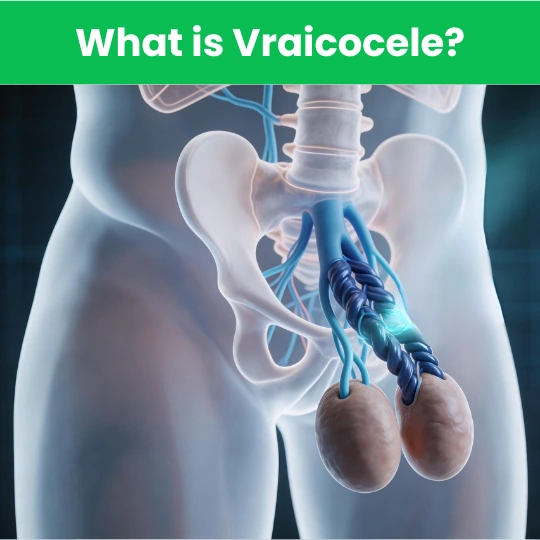
What is a Varicocele?
A varicocele happens when the veins inside the scrotum called the pampiniform plexus get bigger and twisted. It is like having varicose veins. In the scrotum. This can cause pain in the testicles. The testicles might even feel like a bag of worms. The quality of sperm can be really bad which can cause problems, with fertility. In some cases one or both testicles can get smaller which is called shrinkage or atrophy.
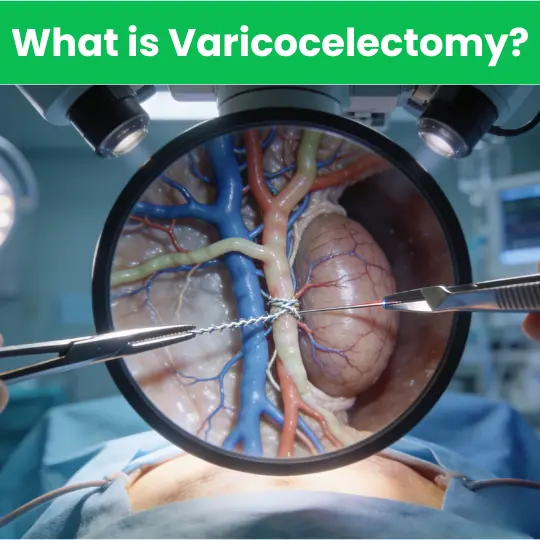
What is Varicocelectomy?
Microsurgical varicocelectomy is a precise surgical procedure used to treat varicocele. The surgeon uses a high-powered microscope to identify and tie off the affected veins while protecting important structures like arteries and lymphatic vessels. This approach is considered the gold standard because it offers high success rates and fewer complications.
How Does It Differ from Open Surgery and Embolization?
| Feature | Microsurgical Varicocelectomy | Open Surgery | Varicocele Embolization |
|---|---|---|---|
| Visualization | High magnification microscope | Limited | X-ray guided |
| Recurrence Rate | Very low (≈1%) | Higher | Around 12% |
| Complications | Minimal | Moderate | Minimal |
| Recovery | Faster | Slower | Quick |
| Invasiveness | Minimally invasive | More invasive | Non-surgical |
Note: Varicocele is a problem that cause a lot of pain in your testicles. The good news is that there is a way to treat it. It can really help to get rid of the pain. Varicocele can also make it hard for men to get their partners pregnant. Microsurgical varicocelectomy can help with that too.
Who is a Good Candidate?

Varicoceles affect about 10–15% of all men in Pakistan. These things can happen to a man of any age. People usually notice they have a varicocele when they are going through puberty or a little after that. A lot of men are having trouble making their partner pregnant.
They have a varicocele and will choose to have a varicocelectomy. This is because a varicocelectomy can help improve their chances of making their partner pregnant. Your doctor may also tell you to have a varicocelectomy if you have a lot of pain in your testicles or if your body is not making testosterone.
When Is Surgery Recommended?
Microsurgical varicocelectomy may be advised if you have:
- Persistent scrotal pain
- Male infertility or poor semen results
- Testicular atrophy
- Visible or large varicocele
- Failed non-surgical treatments
Who Should Not Have This Procedure?
This surgery may not be suitable if:
- You have no symptoms or fertility concerns
- Varicocele is very small and does not cause issues
- You have uncontrolled medical conditions
- You are not fit for anesthesia
A proper evaluation by a urologist is necessary before deciding.
Surgical Techniques Used at Dot Clinics
At Dot Clinics, many surgical techniques are used to perform varicocelectomy, but the microsurgical approach is the most well-known and effective. The main types of techniques for varicocelectomy are:
Subinguinal Approach
This technique involves making a small incision in the groin area, allowing the surgeon to access the spermatic cord and affected veins. The use of a microscope enhances visibility, enabling precise ligation of the dilated veins while preserving surrounding structures.
Inguinal Approach
Similar to the subinguinal approach, this technique involves an incision in the inguinal region. The surgeon carefully dissects the spermatic cord and identifies the varicocele under magnification and ensuring minimal trauma to adjacent tissues.
Retroperitoneal Approach
This less common approach involves accessing the varicocele through the retroperitoneal space which is located behind the abdominal cavity. This technique may be preferred in certain cases particularly when dealing with complex varicocele anatomy.
How is Varicocele Diagnosed at Dot Clinics?

-
Physical Examination (Valsalva Maneuver)
The doctor asks the patient to stand, take a deep breath, and strain. This helps detect enlarged veins in the scrotum. -
Scrotal Doppler Ultrasound
A detailed imaging test that provides a clear view of the veins, helping confirm varicocele and assess its severity. -
Semen Analysis
A semen sample is examined in the lab to evaluate sperm count, movement, and shape, helping identify fertility issues. -
Hormonal Blood Panel (FSH, LH, Testosterone)
Blood tests measure hormone levels to assess testicular function and overall reproductive health.
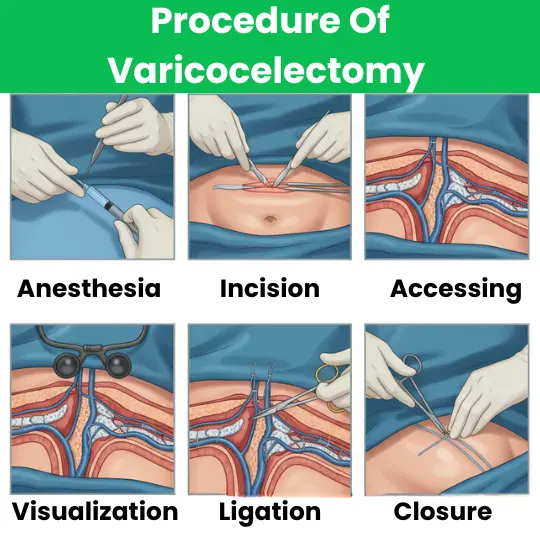
How the Procedure is Performed — Step by Step
- Anesthesia: The procedure is usually performed under general or regional (spinal) anesthesia to ensure patient comfort.
- Incision: A small 2–3 cm incision is made in the subinguinal or inguinal region.
- Accessing the Spermatic Cord: The spermatic cord is gently delivered through the incision for detailed examination.
- Visualization: An operating microscope provides 10x–20x magnification, allowing clear identification of veins, arteries, lymphatics, and the vas deferens.
- Ligation and Division: The dilated veins are carefully tied off using sutures or clips while preserving the artery and lymphatic vessels to prevent complications.
- Closure: After sealing all affected veins, the spermatic cord is returned to its position and the incision is closed with absorbable sutures.
Is the Varicocelectomy painful?
A varicocelectomy is moderately painful. The pain starts to improve after several days. You can manage your pain by using painkillers. Your healthcare provider may prescribe painkillers for severe pain.

Benefits of Varicocelectomy
- High Success Rate:
Our procedure is very reliable and most patients get long-term relief from varicocele symptoms. - Improves Fertility:
Our treatment helps improve sperm quality and increase chances of natural conception over time. - Minor Scarring:
The cut is very small so the scar is hardly visible and usually fades over time. - Lower Recurrence Rate:
Compared to other methods the chances of varicocele coming back are very low. - Faster Recovery:
Most patients return to their normal routine within a few days with proper care.
Risks and Possible Complications
All surgical procedures carry some risks. Some risks of a varicocelectomy include:
- Anesthesia risks
- Healing problems
- Infection
- Mass of clotted blood
- Swelling
- Bruising
- Scarring
- Tenderness in your testicles
- Hydrocele
- Injury to a testicular artery
Recovery and Aftercare Timeline
24–72 Hours: Return to light daily activities.
1–2 Weeks: Avoid lifting heavy things, doing hard exercise or gym.
2–3 Weeks: Most patients achieve full recovery.
3–4 Months: Follow-up semen analysis to assess fertility improvement.
Our doctors advise patients to take prescribed medicines, maintain hygiene, wear scrotal support and attend scheduled follow-up visits for effective healing.
Expected Outcomes and Success Rates
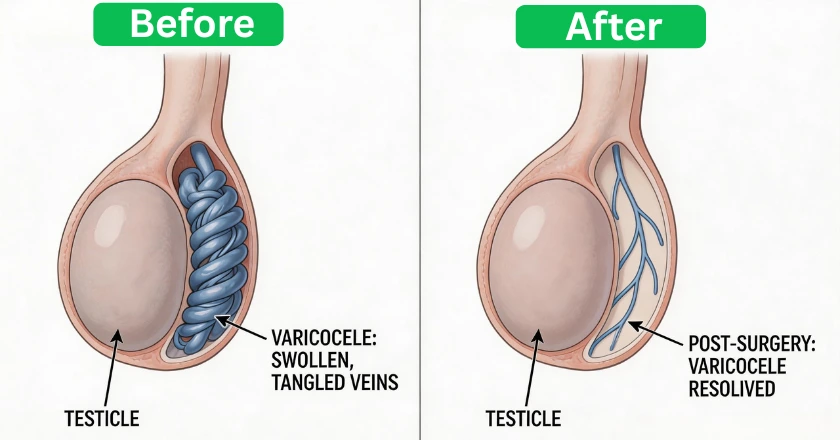
- Pain relief in 80–90% of patients
- Improved sperm quality in 60–80%
- Increased chances of natural pregnancy
- Possible improvement in testosterone levels
Microsurgical Varicocelectomy Cost in Pakistan
In Pakistan, varicocele open surgery typically costs around PKR 60000 to 70000 while microsurgery or other advanced procedures may range between PKR 250000 and 300000. For exact pricing information it is best to contact each clinic directly such as Dot Clinics. We offer varicocele surgery at an affordable price of PKR 145,000 and deal all complications involved in procedure.
Why Choose Dot Clinics?
Dot Clinics provides expert Microsurgical Varicocelectomy in Lahore and Multan. This treatment is performed using advanced and precise techniques to help improve male fertility and reduce the risk of complications. Many patients trust Dot Clinics because of our experienced doctors, clean and modern operating rooms, and safe procedures. The surgery is done on the same day, so patients can go home quickly and recover faster by following our urologist’s aftercare instructions.
- Dr. Faisal Ilyas serves patients in Lahore with expertise in fertility care.
- Dr. Muhammad Amjad treats patients in Multan with advanced surgical skills.
- We offer safe same-day procedures in Lahore and Multan.
- Continuous follow-up after surgery for best results.
- Friendly and supportive medical staff throughout care.
- Our modern and hygienic operation theatre setup.
- This helps protect important vessels and reduces complications.
FREQUENTLY ASKED QUESTIONS
You should have a meal the night before your surgery. Avoid greasy foods. Your surgeon will guide you about pre-surgery instructions.
You must discuss all your medications with your doctor. Some medicines, such as blood thinners, may need to be stopped before surgery to reduce bleeding risk.
You may experience pain and swelling after the procedure. Prescribed medication will help manage discomfort, and proper rest is very important during recovery.
Most patients return to work within 1 to 2 weeks depending on their job type. Physically demanding jobs may require more time off.
You should usually wait at least 2 weeks before resuming sexual activity. Your doctor will guide you based on your recovery progress.
There are no strict dietary restrictions, but a balanced diet rich in fruits, vegetables, and proteins is recommended to support healing.
Watch for excessive bleeding, severe pain, fever, redness, or swelling. If any of these occur, contact your doctor immediately.
You may start light activities after 1 week, but avoid heavy exercise or lifting for at least 4 weeks to ensure proper healing.
Yes, it is generally safe, but elderly patients should undergo a thorough medical evaluation to assess any potential risks before treatment.
Patients requiring this procedure should be evaluated by a qualified urologist to determine the best and safest treatment approach.
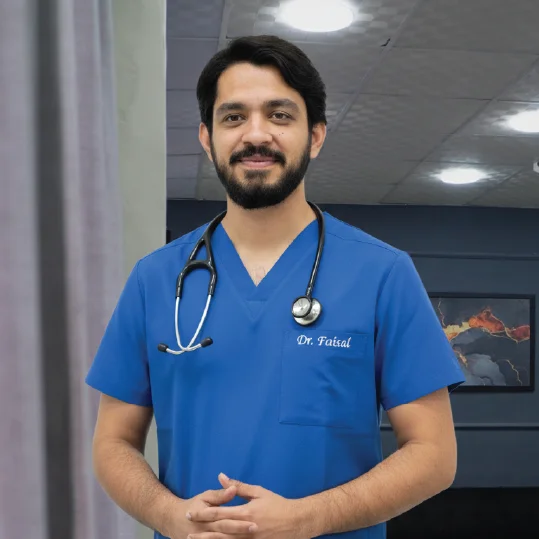
Dr. Faisal Ilyas
Urologist & Penile Implant Specialist
The content of this page is for informational purposes only.
Please consult with our Endoscopic & varicocelectomy Surgeon for diagnosis and surgical ED Treatment.
Meet Our Medical Providers





Our Contacts
-
LAHORE: 85-R1, Johar Town, Phase 2.
MULTAN: 2nd Floor Ali Imran Center, Opposite UBL, Abdali Road.
Get Lahore Directions
Get Multan Directions -
Lahore: 0327-0011336 , 0329-0011336
Multan: 0332-1133577, 0327-0011335
(24/7 General inquiry) - info@dotclinics.pk
Why DotClinics?
Highly qualified medical team, latest treatments with state of the art technology to fix your skin, hair & body issues.
Patient centric clinic.